A commercial fence has a different job than a backyard fence. It might need to keep people out of an equipment yard overnight, screen a loading area from the street, close off an HOA pool, or hide the dumpsters behind an apartment building. It usually gets more traffic, takes more abuse and has more people with an opinion about it, from property managers and boards to tenants and the city.
This page covers commercial and community fencing around Kannapolis. The work is handled by an independent local fence company, and the first step is the same as on any job: someone walks the property and figures out what the fence has to do.
Who this is for
- Small businesses and shops that need a secure back lot or a cleaner look out front
- Warehouses and contractor yards along the main roads and the I-85 corridor, with equipment, materials or vehicles to protect
- HOAs with pools, playgrounds, entrances and common areas
- Apartment and townhome communities with dumpster pads, pool areas, perimeter lines and maintenance areas
- Churches, offices and other properties that want a clear line without looking like a prison
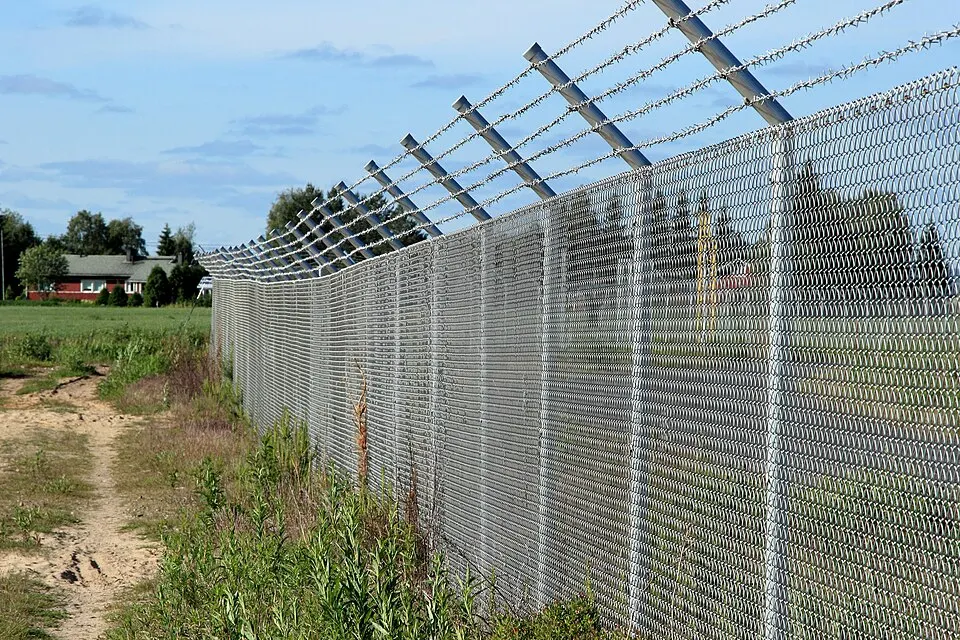
Security chain link
For most storage yards and work areas, chain link is the workhorse. It's strong, it's hard to climb when it's tall, and it covers a lot of footage for the money. Commercial chain link usually means heavier posts, heavier fabric and taller heights than a backyard chain link fence.
Options that come up often:
- Privacy slats. Woven into the mesh to block the view into a yard. They cut down on people eyeing what's inside. They also catch wind, so posts need to be set for that load.
- Security tops. Barbed wire or similar tops are common on industrial lots. Whether they're allowed depends on zoning and location, so check the city or county rules before planning on one.
- Bottom tension wire or a buried bottom rail. Keeps the fabric from being pushed or lifted.
- Vinyl-coated fabric. Black or green coating looks more finished on a property that faces customers.
Ornamental fencing
Where looks matter, like an office front, an HOA entrance or an apartment pool, ornamental aluminum or steel is the usual choice. It marks the line and keeps people out without blocking the view. Aluminum doesn't rust, which helps in humid summers. Steel is stronger and heavier but needs a good coating. Our aluminum fence page covers the residential side, and the same basics apply to commercial runs, just with heavier posts and more gates.
For pool areas, barrier rules usually address height, gaps and self-closing, self-latching gates. Requirements vary, so check what applies to the property and confirm with the contractor before ordering anything.
Dumpster enclosures
Almost every apartment community and many businesses have one, and most of them look rough after a few years. Trucks bump the gates. The gates sag and get left open. Trash blows out.
A good dumpster enclosure is built for that abuse:
- Heavy steel gate posts set deep in concrete, since the gates get slammed and hit
- Gates wide enough for the truck to get in and out without clipping them
- Drop rods or cane bolts to hold gates open while the truck works
- Screening that matches the property, whether that's wood, vinyl, slatted chain link or metal panels
- Protective bollards where the truck tends to come in tight
Some properties also have rules about what the enclosure has to look like. Check with the city or county and any property owner's association.
Access gates
A commercial fence is only as useful as its gates. Think about who needs in, when and how:
- Walk gates for staff and tenants, sometimes with keyed or coded latches
- Swing or slide drive gates for vehicles and deliveries. See driveway gates for how swing and slide compare
- Automatic gates with keypads, cards or remotes for after-hours access
- Emergency access. Fire and rescue need a way in. Ask the contractor how that's handled for gates on your site
Gates get the most wear on any commercial fence. Heavier posts and hinges cost more up front and save a lot of repair calls later.
How a commercial job runs
- Site walk. The contractor walks the line with the owner or manager, measures, and notes gates, slope, drainage and access for equipment.
- Written quote. Fence type, height, footage, post size and setting, every gate, and any removal or clearing.
- Approvals. Property owner, HOA board or management sign-off, and any permit. The contractor typically pulls permits when needed.
- Utility marking. NC811 marks buried lines before digging. Commercial lots often have more of them.
- Scheduling. Work can often be phased so a business stays open and tenants keep access.
- Walk-through. Every gate opened, closed and latched before the job is signed off.
What sets the price
Footage, height, fabric or panel weight, post size, the number and type of gates, automation, and how hard the site is to work on all drive commercial pricing. The fence cost guide explains the factors, and a real price comes from a site visit in Kannapolis or nearby Concord, Harrisburg or Salisbury and a written quote.
Questions people ask
Do you work with HOA boards and property managers?
Yes. The contractor can meet with whoever approves the work, walk the property, and provide a written quote and drawing for the board or owner to review. Get the approval in writing before any work is scheduled.
Can privacy slats go in an existing chain link fence?
Often, yes, if the fence is in good shape. Slats add wind load, so the contractor will check that the posts are solid enough to carry it. Leaning or rusted posts should be fixed first.
Can work be scheduled around business hours?
Usually. Commercial jobs can often be phased so entrances and loading areas stay open. Bring up your hours and busy times at the site walk so the schedule is built around them.
Is barbed wire allowed on my fence?
It depends on zoning and the property's location. It's common on industrial lots and often restricted near homes or the street. Check the city or county rules for the address before planning on it.