Here's the call we hear most: "The dog got out again." Sometimes it's a gap under the old fence. Sometimes it's a gate that doesn't latch. Sometimes it's a lab who figured out he can clear 4 ft without trying. Whatever it is, the fix starts with understanding the dog.
Start with your dog, not the fence
Before talking material, a good installer asks about the dog:
- How big is it, and how big will it get? A puppy today may be 80 pounds next year.
- Does it dig? Some dogs tunnel the minute they're bored.
- Does it jump or climb? Athletic dogs can clear a short fence or scramble up chain link.
- Does it squeeze? Small dogs find gaps you'd never notice.
- Does it bark at everything going by? Some dogs calm down when they can't see the street.
- How does it get out now? The escape route shows what to fix.
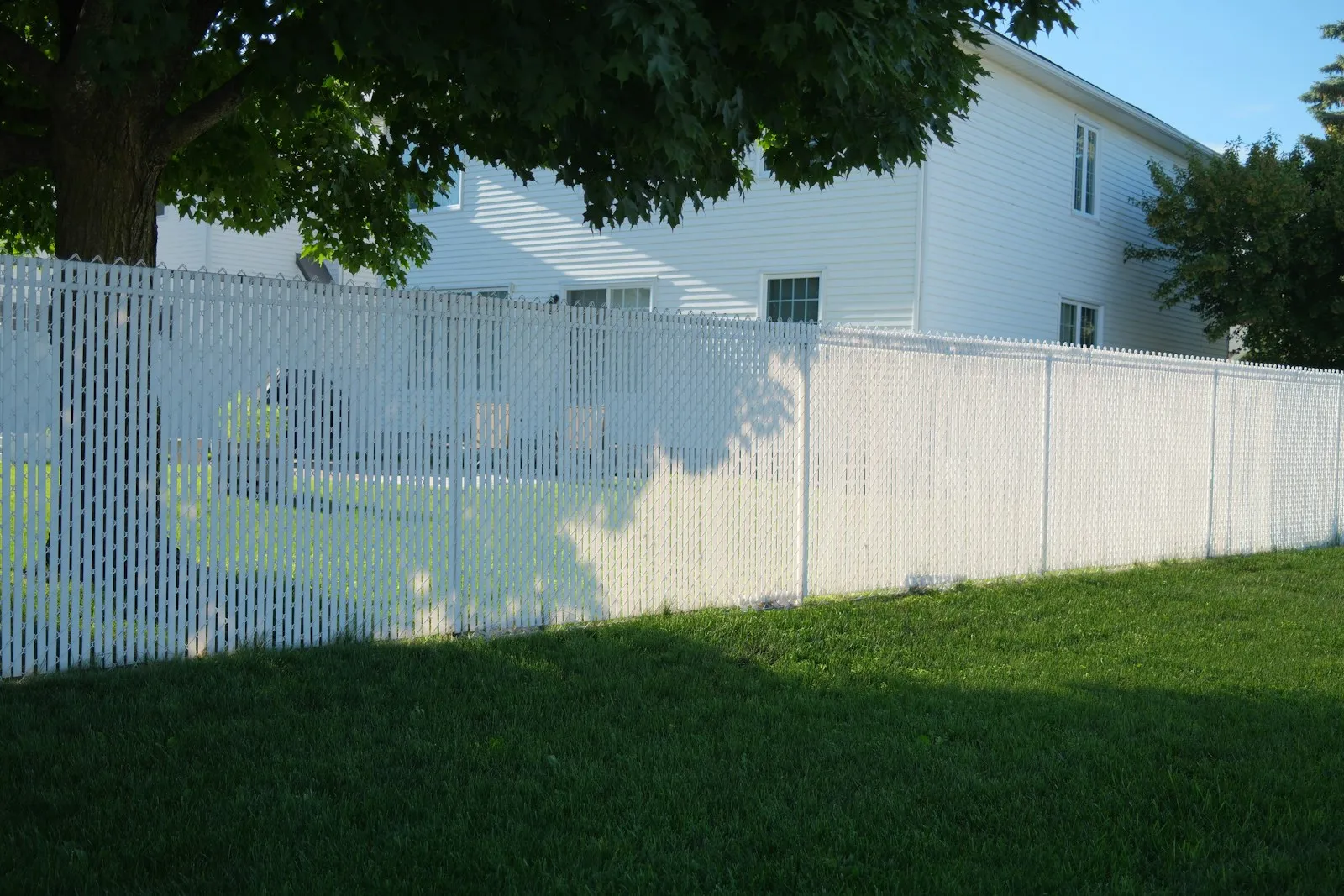
Matching the fence to the dog
Diggers
Diggers need the bottom of the fence handled. Common fixes include a buried wire apron along the base, keeping the bottom of the fence close to the ground, and filling low spots where the clay has washed out after heavy rain.
Jumpers and climbers
Height is the main answer. Five or 6 ft fences stop most jumpers. A solid privacy fence is harder to climb than chain link, since there's nothing to grab.
Small dogs and squeezers
Gaps are the enemy. A solid wood privacy fence or vinyl fence has none. If you want an open look, an aluminum fence with puppy pickets along the bottom closes the gaps.
Barkers and reactive dogs
If your dog goes after every jogger and mail truck, a solid fence that blocks the view often helps. Chain link and aluminum let them see everything.
Budget, big yard
Chain link gives the most fenced space for the money, and with a tight mesh and bottom tension wire it holds most dogs well.
Gates are where dogs get out
Most escapes happen at the gate, not the fence. A good dog gate setup includes:
- Gates hung on solid posts set in concrete so they don't sag
- Latches that catch every time, ideally self-closing so a kid or guest can't leave it open
- No big gap under the gate
- Gates placed where you actually walk, so you're not dragging the trash cans the long way around
Small lots and close neighbors
On older mill-house lots in Kannapolis, yards are small and neighbors are close. A dog fence there often runs right along a shared line, so it's worth confirming where that line is with your survey or corner pins. A friendly talk with the neighbor first goes a long way, especially if there's an old fence you're replacing or joining onto.
In newer subdivisions, check your HOA rules on height and material before building. Approval in writing comes first.
What a good dog-fence contractor won't do
- Push an invisible or wireless fence when you asked for a real one. This page covers physical fences only.
- Build a 4 ft fence for a dog they think will clear it. They'll tell you if you need more height.
- Dig without NC811 marking utilities first.
What dog fencing costs
Price depends mostly on the material you choose and how much fence the yard needs. Roughly, from least to most expensive:
- Chain link: usually the lowest
- Wood privacy (6 ft): middle of the pack
- Vinyl: more up front, less upkeep
- Aluminum: usually the highest of the four
- Gates: priced separately, by width and hardware
Dig barriers along the base add to the cost. Our fence cost guide covers what else moves the number. Your actual price comes from a free on-site estimate and written quote.
Already have a fence?
Sometimes you don't need a new fence at all. Filling gaps, adding height, fixing the gate or adding a dig barrier along an existing line may solve it. See fence repair.
Call (980) 324-2157 and tell us about your dog.
Questions people ask
What fence height do I need for my dog?
For small and calm dogs, 4 ft is often enough. For medium and large dogs, especially athletic breeds, 5 to 6 ft is safer. If your dog has already cleared a fence, go taller than you think you need.
How do I stop my dog from digging under the fence?
A buried wire apron or barrier along the base is the most common fix. Keeping the bottom of the fence close to the ground and filling washouts after heavy rain also help a lot in our red clay.
Is chain link or wood better for dogs?
Both can work. Chain link is cheaper and very strong, but climbers can scale it and dogs can see everything going by. Wood privacy blocks the view, which helps barkers, and has nothing to grab. It depends on your dog and your budget.
Can my existing fence be added to instead of replaced?
Often, yes. A crew can add a dig barrier, fix gaps, repair the gate or sometimes add height, depending on the fence. They'll look at it and tell you whether repair or replacement makes more sense.